
Workforce Housing Projects Idle Despite Heavy Demand
Plus, Davis mayor explores solar power, and efforts to fix Davis water problems continue

By Mat Cloak, contributing writer
Two $12.5 million projects endorsed by the state that are intended to bring affordable housing, recreation facilities, and office space to Tucker County have been largely idle for years despite heavy demand for such facilities.
The two projects are called Timber Tech and Davis Center Headquarters Facility, with the state recommending $12.5 million for each. The West Virginia Department of Environmental Protection (DEP) recommended Western Pocahontas Properties as the recipient of the funding for both projects.
Of the $25 million in total funding recommended for the two projects by the DEP, only $700,000 has been disbursed to Western Pocahontas, and none has been spent yet, according to Terry Fletcher, DEP chief communications officer.
Local political leaders, business owners, and service industry workers have long cited a lack of workforce housing in the area.
Davis Mayor Al Tomson is eager for more housing and economic development right outside town. “My opinion is the Davis Center project is very beneficial to the community,” Tomson said. “It offers potential for workforce housing and ancillary community support buildings like a gymnasium.”
Funding for both projects would come from the federal Office of Surface Mining Reclamation and Enforcement. That office approved the grant for the Timber Tech project. The Davis Center project is awaiting further action by state officials.
Western Pocahontas did not respond to multiple emails and phone calls seeking comment for this story.
Timber Tech project
According to Fletcher, $700,000 of the grant for the Timber Tech project was disbursed to Western Pocahontas for preparation work such as site layout, planning, and design. However, none of that money has been spent yet, and the remaining $11.8 million is on hold until Western Pocahontas has finalized plans and obtained permits for the project, according to Fletcher.
The DEP originally approved the project for grant funding in 2021. The grant application for Timber Tech included letters of support from then-governor Jim Justice and then-U.S. Rep David McKinley stressing the need for workforce housing in the area.
Davis Mayor Tomson and Thomas Mayor Jody Flanagan also contributed letters of support. The letter from Flanagan and the Thomas City Council reads, “Western Pocahontas’s Timber Tech Housing development is another effort to address the attainable housing needs of the greater Tucker and Grant county areas to run parallel with our existing efforts in the City of Thomas.”
A Western Pocahontas engineering and consulting document states the Timber Tech project will “consist primarily of mine restoration and design of major utilities supporting up to an approximately 100-lot residential subdivision for economic and community development.”
Davis Center project
The second $12.5 million grant is for the Davis Center Headquarters Facility. This project was approved by the DEP in 2023 but has not been passed on to the federal Office of Surface Mining Reclamation and Enforcement for approval. “This project is still in the ‘pre-vetting’ period, undergoing a more technical review,” Fletcher stated. That review includes compliance with environmental laws and other requirements.
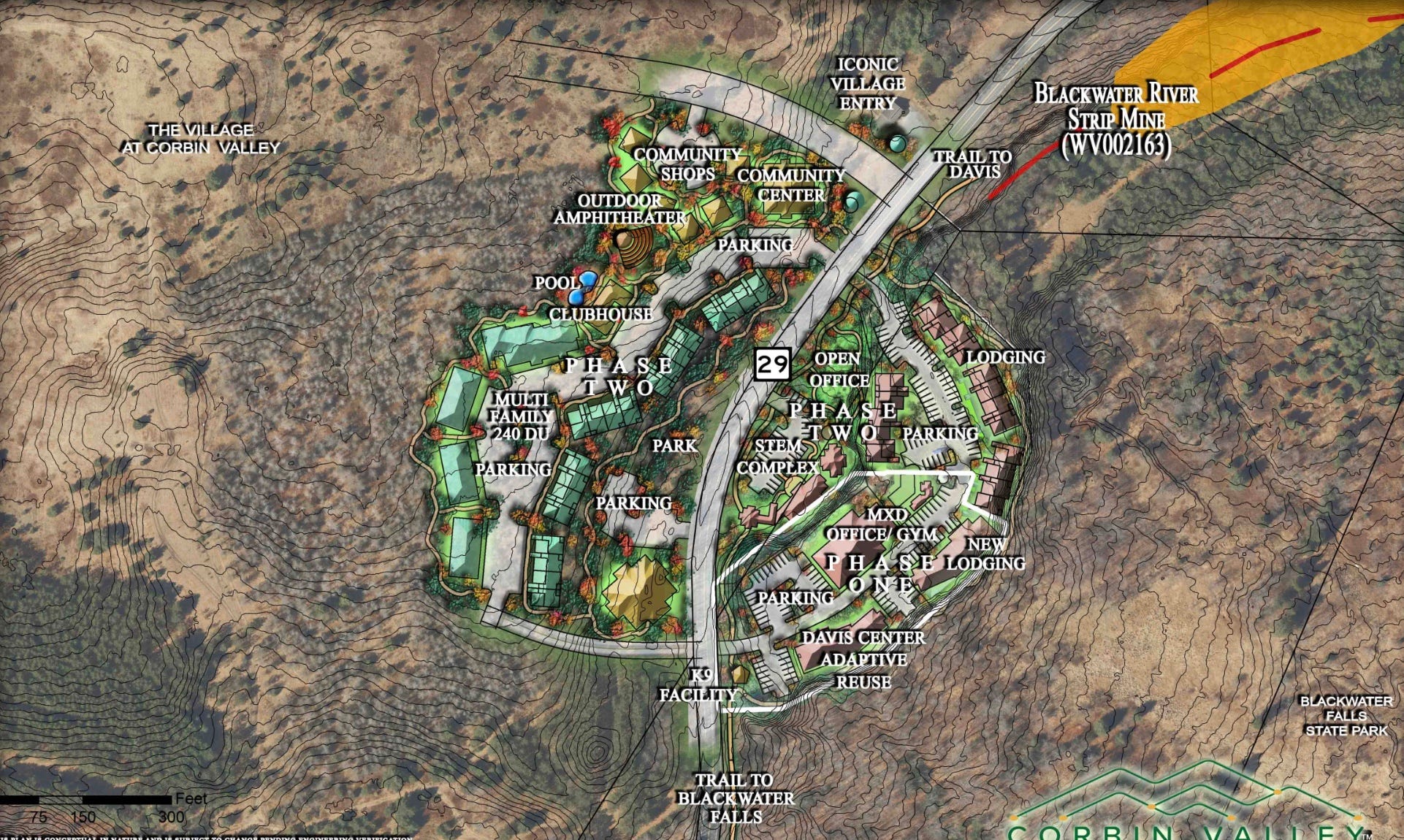
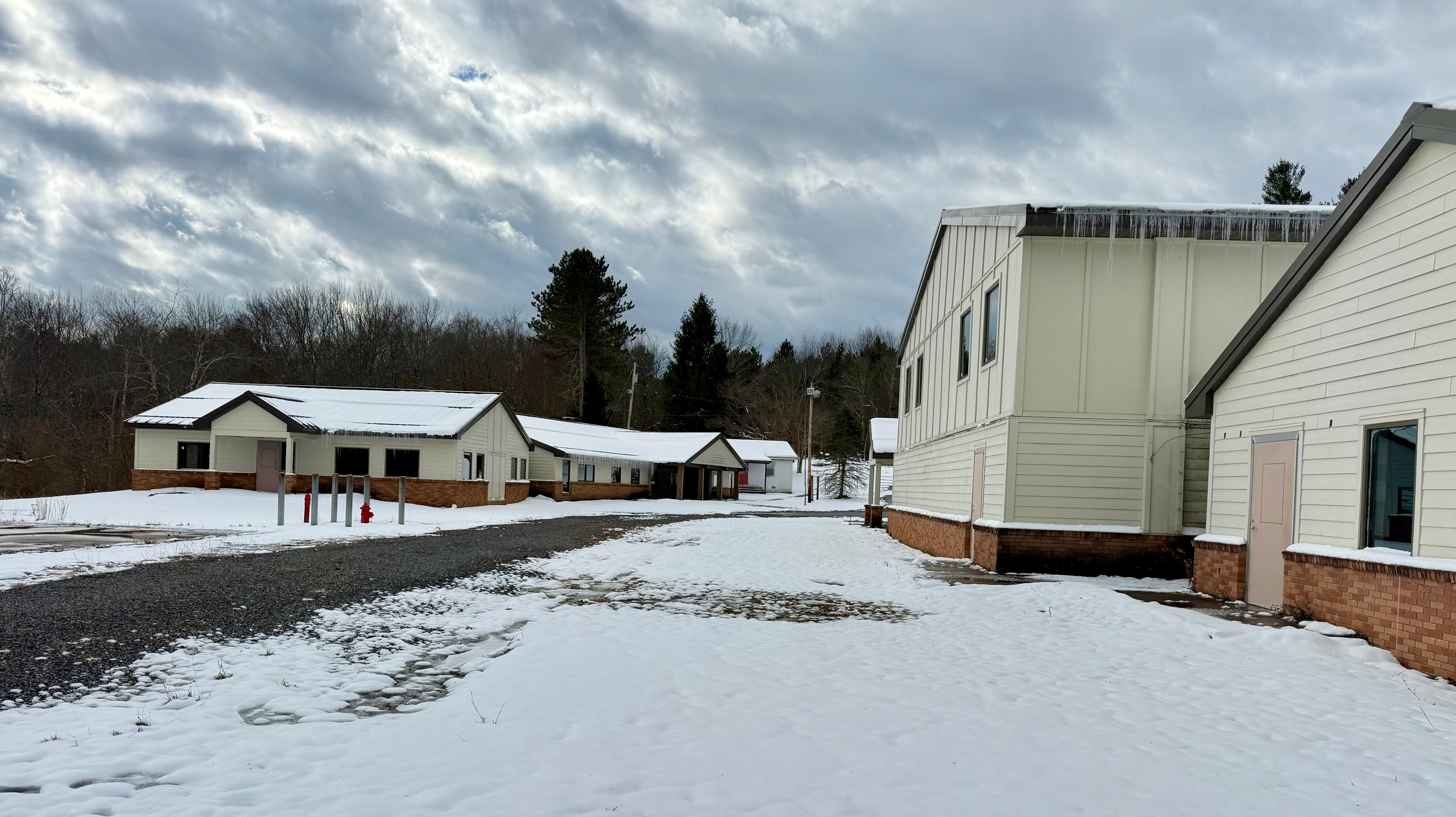
The Davis Center project is located near Davis on Blackwater Falls Road. Several buildings sit vacant on the site of what was formerly a juvenile detention center. According to Western Pocahontas’s grant application, the Davis Center project would “increase the amount of attainable housing, including dormitory-style boarding facilities, multifamily dwelling units, a STEM programming center, an upgraded K-9 facility, office spaces, (and) recreational and wellness facilities.”
According to the Davis Center grant application from 2022, Western Pocahontas currently owns approximately 7.15 acre of the proposed 16-acre development area, while the state owns the remaining acreage. As of 2022, Western Pocahontas was in the process of acquiring the remaining 8.85 acres from the state.
Public presentations
There is no funding deadline or cutoff date for the two projects, according to Fletcher.
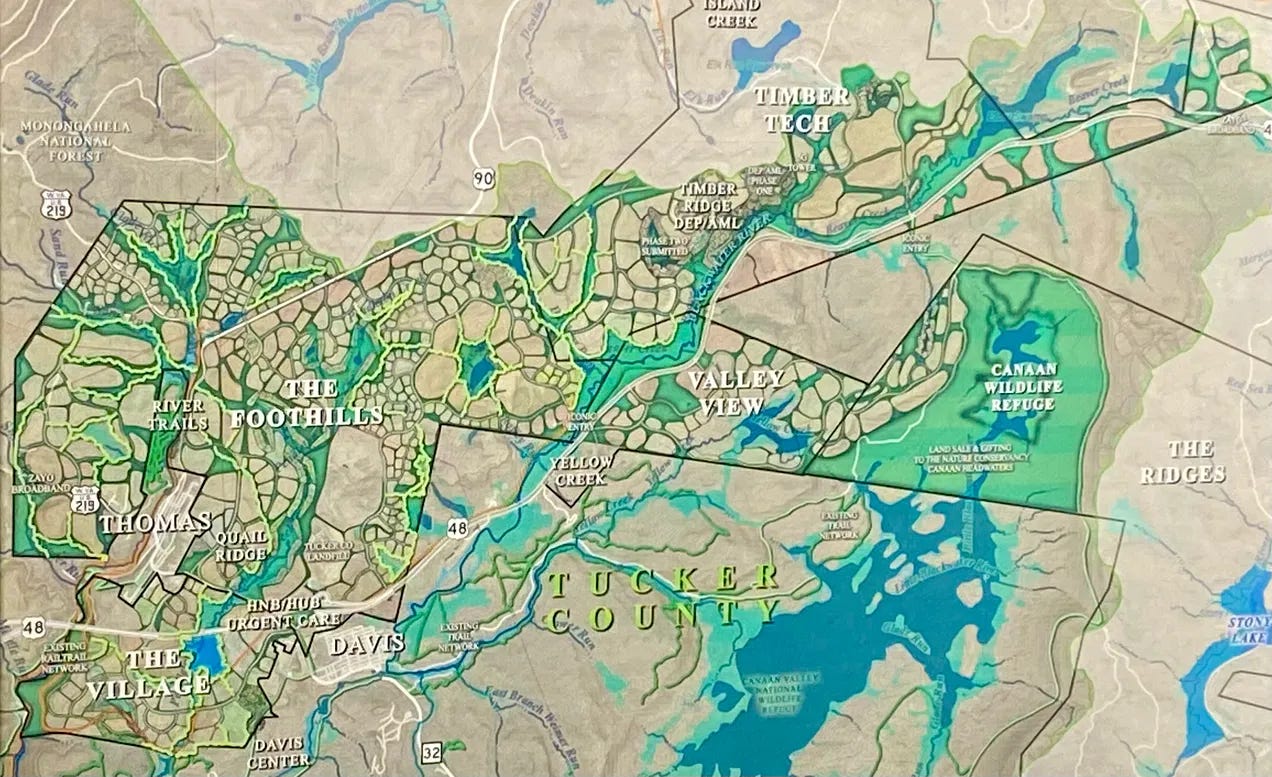
Western Pocahontas representatives made public presentations last year in Davis and Thomas outlining their long-term development plans for the area. Maps presented at those meetings showed the approximate locations of the Timber Tech and Davis Center projects.
More recently, the company has been the target of considerable criticism from some local residents because of its involvement in a proposed power plant between Davis and Thomas that would likely be used to provide electricity for a large data center complex in the area.
(Editor’s Note: The August 7 edition of Country Roads News included information from the Tucker County Comprehensive Plan suggesting that Western Pocahontas was named the recipient of two separate $25 million funding awards, in 2022 and 2023, for development projects in Tucker and Grant Counties. Additional reporting for the story above found that the total amount awarded to Western Pocahontas was $25 million, consisting of two separate $12.5 million awards.)
More News
Davis Mayor Looks to Solar to Reduce the Town’s Energy Bills
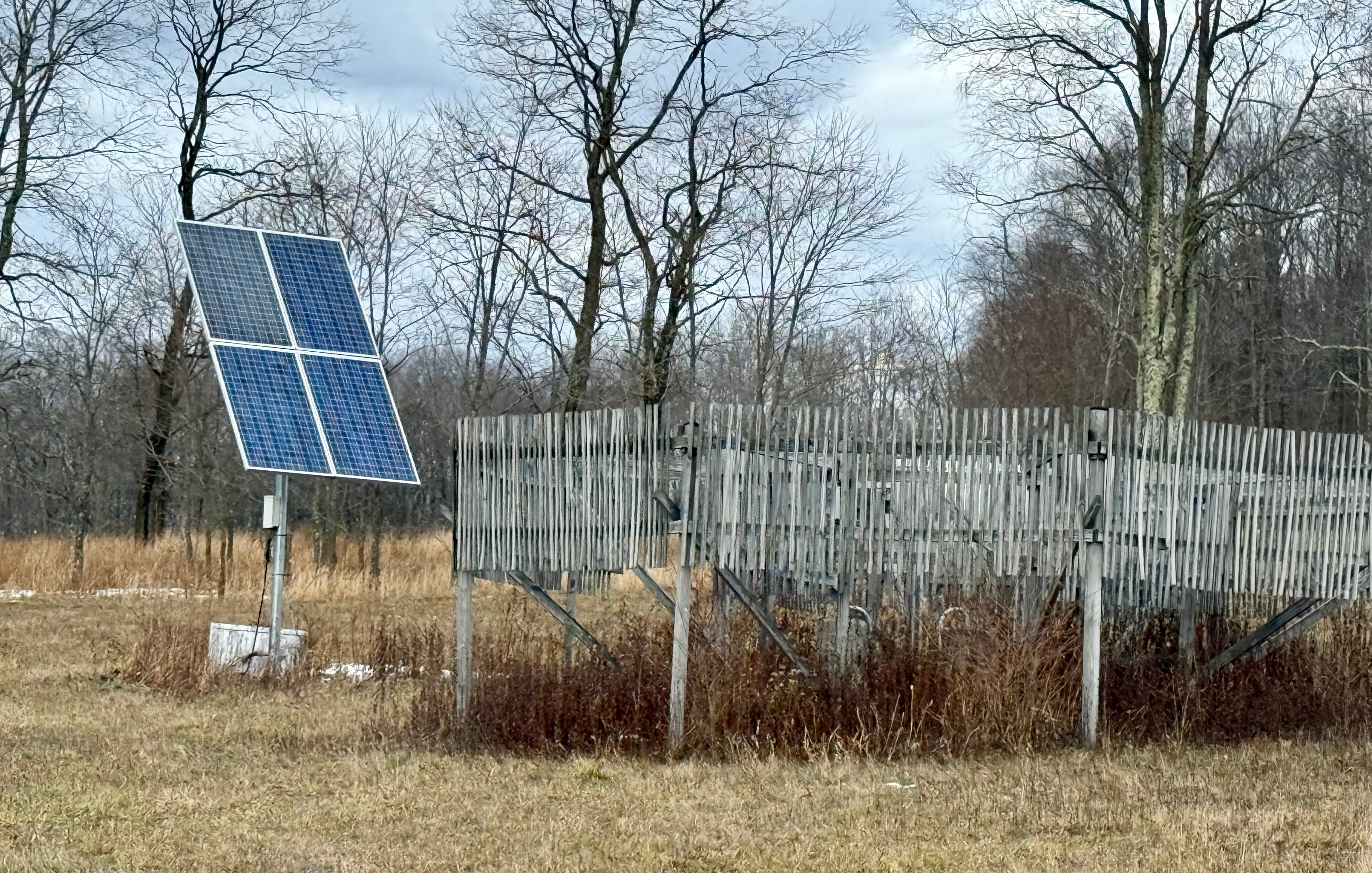
Davis Mayor Al Tomson wants the town to go solar.
The primary motivation isn’t to be greener. Instead, Tomson said the town’s electricity bills have been climbing fast and he wants to save taxpayer money. For example, monthly electric bills for water operations range from $1,500 to $2,800, he said. Monthly bills for the sewer plant are $300 to $900. The town has additional electric bills for other services.
“Operating expenses for both our water and sewer plants continue to rise, driven in part by the steadily increasing cost of electricity,” Tomson said in a statement to Country Roads News. “Like households across the region, the town is facing higher utility bills, which directly affect our ability to keep water and sewer rates stable.”
Tomson recently told the town council he would be exploring options to install solar, and looking into the potential savings.
Several energy tax credits will expire at the end of this year, Tomson said, so he hopes to get contracts signed before then. The contracts could reduce the cost of installing solar panels by 50 percent, he said.
The town can’t benefit directly from tax credits because it doesn’t pay taxes. However, the vendors installing solar equipment can use the tax credits, and the town’s contracts with those vendors could specify that the benefits of those tax credits flow back to the town, Tomson said.
The water plant and town hall could have solar panels installed on their roofs, Tomson said, while the sewer plant and two lift stations would require the panels to be installed on the ground near the electric pumps and motors.
Davis Continues Testing and Work on Lead Levels in Water
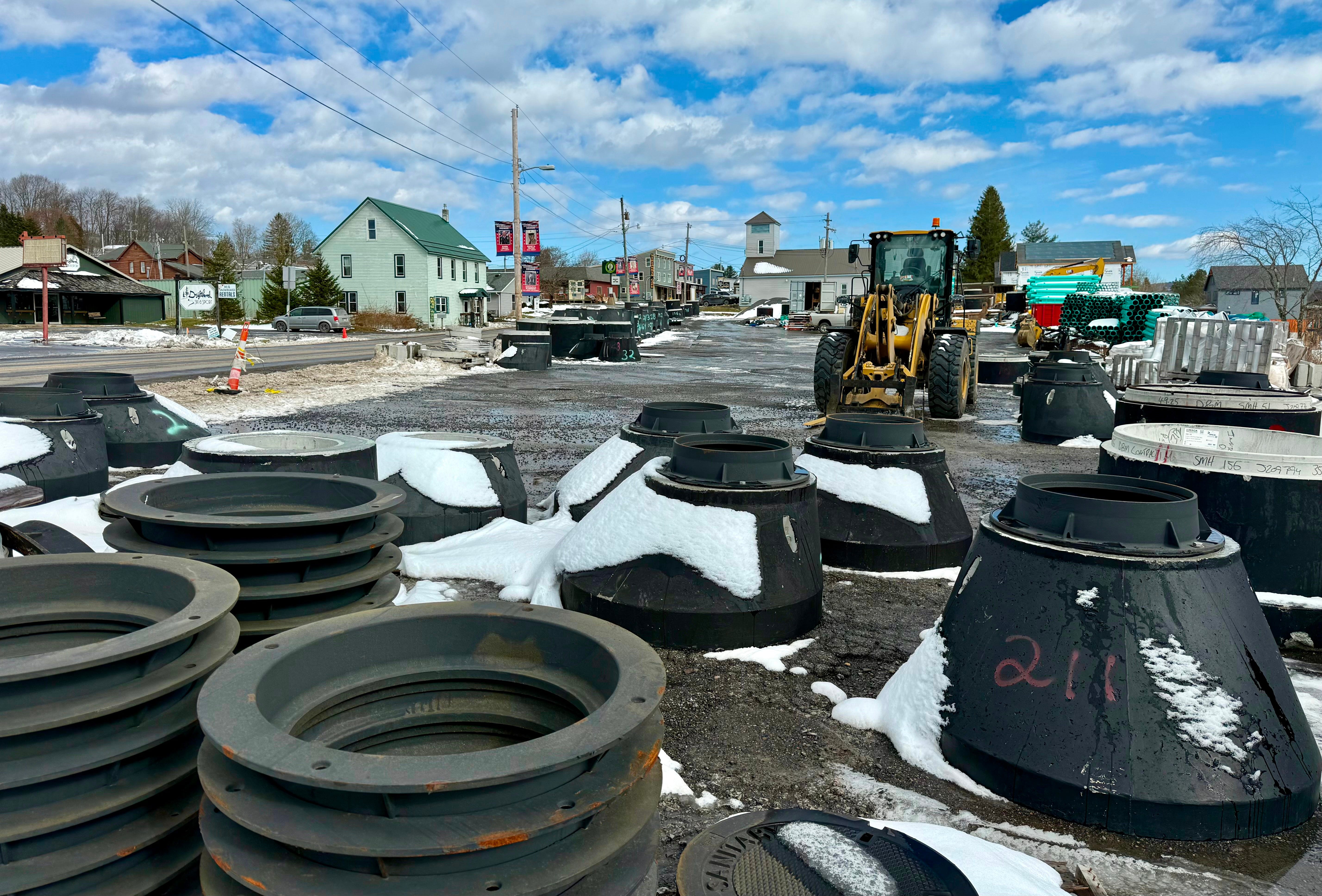
Davis is awaiting results from a round of tests in late October to assess lead levels in the town’s water supply.
Chief Water Operator Frank Sharp said he’s done all he can do to reduce the amount of lead in the city’s water, and he’s awaiting further assistance from state officials.
Federal law requires local authorities to take remedial action if 10 percent or more of homes tested show lead levels exceeding 15 parts per billion (ppb). Tests conducted in September on the tap water of 10 homes showed lead levels ranging from 2.9 ppb to 41.1 ppb, with eight homes exceeding 15 ppb.
City official say there are multiple possible sources of the lead contamination. Excavation work the town has been doing to replace its antiquated sewer system could be disrupting old water lines. However, the problem also could be coming from water lines or old faucets in homes.
Sharp said he raised the pH levels in the water to help with corrosion control.
“I’ve done what I can do. I’m waiting for the state now,” Sharp said.
The town has distributed to local residents 150 water pitchers supplied by the state that filter lead from water.